

Your gala dinner invitation is almost ready to send. Then someone on the team asks, “Should we mention that the Group CEO will be attending?” It feels like a small detail. It isn’t. Naming a VIP on a corporate invitation can boost RSVPs and add instant credibility to your event. It can also backfire if the guest cancels, if their title gets printed incorrectly, or if you never actually had their permission to use their name in the first place. The right answer depends on the event, the guest, and how much risk your company is willing to carry. For businesses planning conferences, product launches, or appreciation dinners across Kuala Lumpur and Petaling Jaya, this deserves more than a snap decision. Solid event planning services in KL treat VIP handling as part of the strategy from day one, not a detail sorted out the week before printing. Why This Question Comes Up More Than You Think VIP attendance genuinely elevates an event. A government minister officiating a product launch, a regional director headlining a conference, or a well-known industry figure attending a gala all add weight and draw attention. But “VIP” is a broad label. It can mean a dignitary, a major client, a company director, or a public figure, and each comes with different expectations. What works for one guest could be entirely wrong for another, which is exactly why this deserves a proper answer rather than a default habit. The Case for Naming Your VIPs It Signals Prestige and Builds Anticipation People decide whether to attend an event partly based on who else will be there. Mentioning that a respected industry leader or senior government official will officiate can genuinely lift RSVP numbers, especially for conferences and product launches where credibility matters most. It Helps Guests Prioritise Their Calendars Senior professionals receive dozens of invitations a month. Knowing a specific decision-maker or dignitary will be present gives them a concrete reason to prioritise your event over a competing one on the same evening.Large regional conferences in Kuala Lumpur, like the Cradle LIVE! ASEAN Startup Summit, which brings together investors, founders, and policymakers, often name their guests of honour upfront for exactly this reason. It sets expectations early and helps attendees plan their day around the sessions that matter most to them. The Case Against Naming Your VIPs Privacy and Data Protection Come Into Play A person’s name, title, and organisation count as personal data under Malaysia’s Personal Data Protection Act (PDPA). Publicising that a named individual will attend your event, especially in a public invitation or on social media, is a form of data disclosure. Following the PDPA amendments that came into force through 2025, organisations face steeper penalties for mishandling personal data, in ways many event teams never think to check.This doesn’t mean you can never name a guest. It means you need their explicit consent before doing so, in writing, and ideally in the same conversation where you confirm their attendance. For events involving public figures or large guest lists, it’s worth a quick check with your legal or compliance team, since the details can vary by situation. Getting the Title Wrong Is a Bigger Problem Than It Sounds In Malaysia, honorific titles like Tun, Tan Sri, Datuk, and Dato’ are not interchangeable, and getting one wrong on a printed invitation is a genuine faux pas. Federal titles such as Tan Sri are conferred by the Yang di-Pertuan Agong, while titles such as Dato’ are conferred by a state Ruler, and each carries its own correct spelling, order of precedence, and form of address for spouses.Misprinting a title, or dropping one altogether, reflects poorly on your company regardless of how well the rest of the event runs. If you’re naming a titled guest, verify the exact spelling and order of address with their office before anything goes to print. Security and Unwanted Attention Publicising that a high-profile guest will attend can draw uninvited attention, from press, from competitors, or occasionally from people with less friendly intentions. This matters far more for public invitations and social media promotion than for a private, invitation-only guest list. What Happens If They Cancel? VIPs cancel. Schedules change, flights get delayed, and last-minute conflicts happen more often than event teams would like. If your invitation already promises a named guest and they don’t show up, you’re left managing disappointed attendees and an awkward explanation. This risk alone is why many experienced event organiser in Petaling Jaya teams keep VIP names off printed materials until attendance is fully locked in. A Practical Framework for Deciding Before naming anyone on your invitation, ask these four questions: Do you have the VIP’s explicit, written consent to use their name and title? Is the invitation private and controlled, or will it circulate publicly on social media and press? How firm is their commitment, and do you have a backup plan if they pull out? Have you verified their exact title, spelling, and correct form of address? If you can answer all four confidently, naming your VIP is usually safe and often beneficial. If not, consider a middle ground, such as “Guest of Honour to be confirmed,” until closer to the date. Best Practices If You Decide to Name Your VIP Get consent in writing, even if it’s just a confirmation email. Verify honorifics and spelling directly with the guest’s office rather than an old invitation or a quick search online. If multiple VIPs are attending, list them in the correct order of seniority. Keep the wording formal and understated, since “Guest of Honour: [Full Name and Title]” reads better than an overly promotional tone. Finally, agree in advance on what you’ll say if the guest cancels, so your team isn’t scrambling on the day itself.A reliable event management agency in Petaling Jaya will usually build this straight into their planning checklist, alongside seating protocol and arrival logistics, so nothing gets left to chance. Key Takeaways Naming VIPs on corporate invitations isn’t right or wrong… Continue reading Corporate Event Invitation Etiquette: Should You Mention VIP Names?
Author: wearesfk
What Does a Corporate Event Planner Actually Do? (Roles & Responsibilities)

Ask most people what a corporate event planner does, and you’ll hear some version of “picks a venue and orders catering.” It’s a fair guess. It’s also not even close to the full picture. A corporate event planner is closer to a project manager, a strategist, and a crisis handler rolled into one role. They’re accountable for turning a business objective, whether that’s more sales leads, stronger client relationships, or better staff morale, into an actual event that delivers on it. In Malaysia’s competitive events market, a skilled corporate event planner in Kuala Lumpur juggles budgets, vendors, brand guidelines, and last-minute curveballs, often all at once. This article breaks down what the role really involves, the process behind a well-run event, and a few misconceptions worth clearing up before you hire one. The Real Job Description: Beyond Venues and Catering Venue selection and catering are real parts of the job. They’re just not the biggest part. The U.S. Bureau of Labor Statistics projects demand for meeting, convention, and event planners to grow faster than average over the next decade, a sign that businesses increasingly treat this as a specialised, strategic role rather than an administrative one. A corporate event planner’s real value tends to show up earlier and later than most people expect: in the strategy conversation before a single vendor is contacted, and in the post-event report that tells leadership whether the investment actually paid off. The Corporate Event Planning Process, Step by Step 1. Discovery and Strategy Every credible planning process starts with questions, not venues. What is this event actually for? Who is the audience? What does success look like, and what’s the budget ceiling? Skipping this stage is one of the most common reasons corporate events fall flat. 2. Concept and Creative Design Once the objective is clear, the planner shapes a concept: the theme, format, and overall guest experience that fits both the brand and the audience. This is where stage design, branding elements, and event flow start taking shape on paper. 3. Vendor Sourcing and Negotiation Planners maintain networks of venues, caterers, AV suppliers, and production crews built over years. That network is worth real money. Experienced planners typically negotiate better rates and terms than a company could get going direct, which is one reason hiring one often pays for itself. 4. Logistics and Production Management This is the unglamorous middle stretch: timelines, floor plans, transport, permits, contracts, and contingency planning. A conference event planner in Kuala Lumpur managing a multi-day summit, for example, is coordinating delegate registration, stage builds, AV rehearsals, and signage all at once, weeks before a single guest arrives. 5. On-Site Execution Event day is where planning either holds up or falls apart. The planner runs the show from behind the scenes, managing the run-of-show, solving problems guests never see, and keeping vendors, speakers, and staff moving on schedule. 6. Post-Event Reporting and ROI Analysis The job doesn’t end when the lights go down. Attendance figures, engagement data, budget reconciliation, and lessons learned all feed into a report that shows whether the event met its objectives, and what to adjust next time. Key Responsibilities That Rarely Make the Job Title Beyond the six-step process above, a few responsibilities run through the entire job.Budget ownership. Planners track spend against budget constantly, not just at the start and end of a project.Stakeholder communication. They act as the translation layer between company leadership, internal departments, and external vendors, all of whom tend to speak a different language.Risk and contingency management. Bad weather, cancellations, technical failures: experienced planners build backup plans for the problems everyone hopes never happen.Brand alignment. Every touchpoint, from signage to staff briefing, needs to reflect the company’s brand accurately, which means close collaboration with marketing and design teams. Common Misconceptions About Event Planners “It’s a fun, glamorous job.” The reality involves long hours, tight deadlines, and being the calmest person in the room when something goes wrong, usually while everyone else is enjoying the party.“Anyone with good taste can do it.” Aesthetic sense helps, but the job leans heavily on project management, negotiation, and budgeting skills that take years to build properly.“Hiring a planner is an unnecessary expense.” This one gets it backwards more often than not. Experienced planners typically save money through vendor relationships and by avoiding costly last-minute mistakes, which frequently offsets their fee.“It’s basically the same for every event.” A gala dinner, a product launch, and a trade exhibition each demand different skills, timelines, and vendor relationships. SFK Worldwide’s own portfolio illustrates the range well: a media appreciation night for Toyota calls for a completely different playbook than a national fuel product launch for Shell, even though both fall under “corporate events.” In-House Planner vs. Event Management Company: What’s the Difference? Some companies hire an in-house event planner. Others work with an external event management company in Kuala Lumpur. Neither is automatically better, but they suit different situations.An in-house planner understands company culture deeply and is available year-round, which works well for businesses running frequent, similar-scale events. An external event production company in Kuala Lumpur brings a broader vendor network, specialised production capabilities such as fabrication, staging, and AV, and experience across a wider range of event types, which tends to suit large, complex, or occasional events like conferences, product launches, and exhibitions.Many mid-sized and large companies use a hybrid approach: an internal marketing or HR lead who owns the relationship and objectives, paired with an external agency that handles production and execution. Key Takeaways A corporate event planner’s job goes far beyond booking venues and choosing menus. The role covers strategy, vendor negotiation, budget management, live execution, and post-event analysis, all in service of a business objective. Understanding this full scope helps companies set realistic expectations, whether they’re hiring in-house or partnering with an agency.If you’re weighing up whether to build an internal team or bring in outside expertise, it’s worth having a conversation with an established planner before your next event lands on the… Continue reading What Does a Corporate Event Planner Actually Do? (Roles & Responsibilities)
How Often Should Companies Host Corporate Events? A Strategic Guide

“How many events should we be running a year?” It’s one of the most common questions marketing and HR leads ask, and it rarely has a single right answer. Two companies of similar size, in the same industry, can run completely different event calendars and both be doing it right. The better question isn’t how often. It’s what each event is meant to achieve, and whether your current calendar actually supports that. A company chasing brand visibility needs a different rhythm than one focused on staff retention or lead generation. A seasoned brand activation agency in KL will tell you the same thing: the right cadence depends entirely on the objective, not a generic industry average. This guide breaks down realistic frequency benchmarks for different types of corporate events, and how to build a calendar that matches your actual goals. Why “How Often” Is the Wrong First Question Frequency without strategy is how companies end up with event fatigue: tired staff, disengaged clients, and a marketing budget spent without a clear return. The smarter approach is to sort your events into categories first, internal culture-building, external marketing, and major milestones, and then set a cadence for each category separately. Each category carries its own budget logic and its own way of measuring success. Treating them as one single “events budget” line item is usually how companies end up overspending on the wrong formats while under-investing in the ones that actually move the needle for their business. Internal Corporate Events: A Cadence Framework Town Halls and Updates: Monthly or Quarterly Regular internal updates keep staff aligned without becoming routine noise. Monthly works well for fast-moving teams, while quarterly tends to suit larger, more stable organisations better. Team Building and Appreciation Events: Quarterly to Biannual This is where the business case is strongest. Gallup’s engagement research consistently links highly engaged teams to roughly 23% higher profitability and significantly lower turnover. Since replacing a single employee can cost half to double their annual salary, even one retained hire can justify the cost of a well-run appreciation event. Annual Dinners and Major Milestones: Once a Year Anniversary celebrations, annual dinners, and awards nights work best as once-a-year anchors. Doing them more often dilutes the sense of occasion that makes them meaningful in the first place. External and Marketing-Led Events: A Different Rhythm Brand Activations and Roadshows: Campaign-Driven, Not Calendar-Driven Brand activations and roadshows work best when tied to a specific campaign, season, or market push rather than a fixed schedule. A brand activation agency in KL will typically plan these around product cycles, seasonal shopping periods, or new market entries rather than an arbitrary quarterly slot. Product Launches: Milestone-Driven Launch events should happen when there’s genuinely something new to say, not on a fixed calendar. A product launch event agency in Kuala Lumpur will usually advise against forcing a launch just to hit an annual quota, since an event with nothing new to announce tends to undersell the next one that actually matters. Trade Shows and Exhibitions: Fewer, Bigger, Better Industry data increasingly points toward quality over quantity here. Many B2B marketing teams have shifted from spreading their budget across a long list of smaller trade shows to concentrating resources on a handful of higher-impact ones each year. A well-run trade show management in Malaysia partner can help identify which two or three exhibitions on the calendar actually reach your target buyers, rather than encouraging you to book every available booth. Because returns from a single exhibition typically take a few months to materialise through follow-up meetings and closed deals, judging one show purely on day-of foot traffic rarely tells the full story. Signs You’re Hosting Too Many (or Too Few) Events Too many shows up as falling RSVP rates, staff dreading the next “mandatory fun,” and a budget stretched thin across events nobody quite remembers a year later. Too few shows up differently: low brand visibility in your industry, disengaged staff who feel unrecognised, and missed windows when a product launch or roadshow could have driven real momentum. Neither extreme is really about the number of events. Both are usually a sign the calendar wasn’t built around clear objectives in the first place. Building Your Company’s Annual Event Calendar Start with the fiscal year and budget cycle, not the event ideas. Knowing what you can realistically spend shapes everything else that follows. Map major Malaysian festive periods early, including Chinese New Year, Hari Raya, and Deepavali, since venue availability and vendor capacity tighten considerably around these windows. Avoid clashing internal events with them wherever possible. Build in lead time. Malaysian event agencies, including SFK Worldwide, commonly recommend three to six months of lead time for large conferences, launches, and exhibitions, and anything tighter starts limiting your options on venues and creative production. A roadshow event company in KL, for instance, often needs that runway to secure multiple venues across different states for a single circuit. Finally, balance the ratio. A healthy calendar usually mixes internal culture events with external marketing events, rather than leaning entirely on one or the other. Review and Adjust the Calendar Every Year Treat your event calendar as a living document, not a template copied from last year. After each major event, capture attendance numbers, engagement scores, and budget variance while the details are still fresh, rather than trying to reconstruct them months later from memory. Once a year, ideally just before the next budget cycle opens, review the full calendar against those notes. Retire the events that consistently underperform, even ones that feel like long-standing tradition, and reinvest that budget into the formats actually delivering results. A calendar built this way tends to get sharper every year instead of simply getting longer. Key Takeaways There’s no universal number of corporate events a company should run each year. The right frequency depends on what each event is meant to achieve: staff retention, brand visibility, lead generation, or marking a genuine milestone. Build your calendar around clear objectives and… Continue reading How Often Should Companies Host Corporate Events? A Strategic Guide
Essential Steps to Organising a High-Performing Corporate Conference

A corporate conference is one of the most complex events a business can undertake. Done well, it strengthens relationships, sharpens internal alignment, elevates brand perception, and creates conversations that continue long after the event ends. Done poorly, it drains budget, frustrates attendees, and reflects badly on the organisation behind it. Introduction The difference between these two outcomes is rarely about luck. It is almost always about planning. Organisations that invest in professional event planning services in KL consistently achieve better results because they approach conferences with structure, clear outcomes, and disciplined execution from the very start. Whether you are organising a conference for the first time or looking to improve on a previous one, the following steps provide a reliable framework for getting it right. Step 1: Define the Purpose Before Touching the Logistics The first step in conference planning is also the most frequently skipped. Before setting a date, shortlisting venues, or briefing suppliers, you need a clear answer to one question: why is this conference happening?A conference purpose goes deeper than a theme or a title. It should define what you want attendees to think, feel, or do differently once the event is over. Translate Purpose Into Measurable Outcomes Once the purpose is clear, convert it into specific outcomes that can actually be tracked. For example: A leadership summit might aim to align senior stakeholders around a new business direction An industry conference might focus on building the brand’s authority within a target audience A client conference might be designed to deepen relationships and support retention An internal conference might aim to boost morale and communicate a strategic change These outcomes become the filter through which every planning decision passes. If a decision does not support the conference purpose, it deserves to be questioned. Step 2: Build Your Planning Timeline Early One of the most common mistakes in conference planning is underestimating how much lead time different elements require. Venues, keynote speakers, production partners, and caterers all need early confirmation. Leaving these decisions too late usually means settling for options that are available rather than options that are right.The table below outlines a recommended planning timeline for a mid-to-large corporate conference. Planning Stage Recommended Lead Time Key Activities Purpose and objective setting Purpose and objective setting Define goals, audience, format, and budget Venue search and confirmation 4 to 5 months before Site visits, capacity checks, contract finalisation Speaker identification and briefing 4 months before Confirm speakers, agree on topics and session formats Programme design 3 months before Draft agenda, session sequencing, energy management Attendee communications and marketing 2 to 3 months before Invitations, registration launch, and reminders Technical and production planning 2 months before AV brief, stage design, hybrid setup if required Rehearsals and final logistics 1 to 2 weeks before Run-throughs, crew briefings, final confirmations Post-conference follow-up Within 48 hours after Thank-you messages, surveys, and content sharing Starting early gives you better supplier options, more room to negotiate, and significantly less pressure as the event approaches. Step 3: Select a Venue That Supports the Programme Venue selection is about much more than capacity and location. The space you choose sets the tone for the entire conference and shapes how delegates experience the content, the networking, and the brand itself.When assessing potential venues, consider the following: Whether the layout supports your programme format, including breakout spaces if needed Sound quality and acoustics, particularly for keynote sessions with a large audience Technical infrastructure covering Wi-Fi strength, power capacity, and AV compatibility Accessibility for delegates arriving by car, rail, or from other cities Proximity to accommodation for multi-day events or out-of-town attendees Flexibility for custom branding, signage, and stage design A venue that looks impressive on paper may not work well in practice. A physical site visit before signing is always worth the time. Step 4: Design a Programme That Sustains Engagement The programme is the heart of any conference. A poorly designed schedule, however polished the venue and production, will leave delegates disengaged and the event falling short of its purpose.Effective programme design is built around energy management and audience experience. Key principles include: Opening with your strongest content to capture attention and set the right tone Avoiding passive sessions directly after lunch when concentration naturally dips Building in structured networking time with a clear format rather than open free periods Keeping sessions within 45 minutes where possible, as attention drops significantly beyond this Spacing content with adequate breaks so delegates arrive at each session fresh Closing with something purposeful, whether a shared commitment, a clear call to action, or a memorable summary Fewer, well-designed sessions consistently outperform an overpacked programme where content is included simply to fill the schedule. Step 5: Get the Technical and Production Setup Right Technical delivery is one of the areas where conferences lose credibility most quickly. Unclear audio, weak screen visuals, delayed AV transitions, or a poorly lit stage can undermine even the strongest speakers and content.Engaging an experienced event production company in Kuala Lumpur early in the planning process ensures your technical requirements are properly scoped and executed to a professional standard. Key elements to plan for include: Stage and lighting design that reflects the conference’s visual identity Audio systems scaled appropriately for the venue size and session formats Smooth screen and presentation management across all sessions and transitions Live streaming or hybrid infrastructure if remote participation is required Sufficient rehearsal time for speakers, the emcee, and the full production crew When technical production is done well, it is invisible to the audience. Delegates stay focused on the content rather than the equipment. Step 6: Communicate With Delegates at Every Stage Attendee communication is a planning layer that often receives less attention than it deserves. Clear, well-timed communications before and after the conference affect attendance quality, delegate preparation, and the overall impression the event leaves. Before the conference: Send a save-the-date early so delegates can block the date in their calendars Share the agenda and speaker profiles at least two to… Continue reading Essential Steps to Organising a High-Performing Corporate Conference
How to Increase ROI from Corporate Events and Conferences
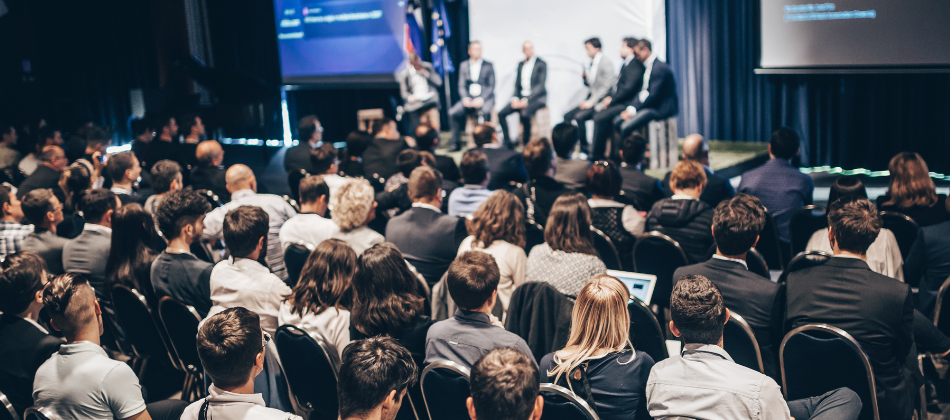
Corporate events and conferences represent a significant financial commitment. Venue hire, production, catering, speakers, logistics, and staff time all add up quickly. Yet many organisations find it difficult to clearly articulate what they actually received in return for that investment. For any reputable Event Management Company in Kuala Lumpur, the question of return on investment is one of the most consistent concerns clients raise during the briefing stage. And it is the right question to ask. Events planned around clear outcomes consistently deliver stronger business results than those built around logistics alone. This article covers the practical strategies that help companies extract more measurable value from their corporate events and conferences, from the planning stage through to post-event follow-up. ROI From Events Takes More Than One Form Return on investment from a corporate event is not limited to revenue figures. Some returns are directly financial, such as leads generated, partnerships secured, or sales influenced by the event. Others are equally valuable but harder to assign a number to, including brand reputation, stakeholder trust, client relationships, and employee engagement.The mistake many organisations make is waiting until after the event to think about ROI. By then, the opportunities to capture and measure it have largely passed. ROI planning needs to begin at the briefing stage, not at the debrief. Set Clear Objectives Before Planning Anything Else The most important step you can take before any event is defining what success looks like. Without clear objectives, there is no benchmark to measure against and no basis for evaluating whether the event delivered value.Event goals vary significantly depending on the type of organisation and the nature of the event. The table below outlines common event objectives alongside the key metrics that can be used to track each one. Event Objective Key Metrics to Track Generate qualified leads Leads captured, post-event conversion rate Strengthen client relationships Key account attendance, post-event meetings booked Build brand awareness Media coverage, social reach, aided brand recall Launch a product or service Press mentions, audience reach, immediate sales uplift Engage and retain employees Participation rate, internal feedback scores, sentiment Establish industry authority Speaker visibility, content downloads, invitations received Setting these objectives early ensures that every planning decision, from programme design to venue selection, is made with measurable outcomes in mind. Pre-Event Strategies That Improve Returns What happens before the event often determines how much value is extracted from it. A strong pre-event strategy reduces waste, improves the quality of attendance, and creates the foundation for more effective post-event follow-up. Invite the Right People, Not Just More People Not all attendees contribute equally to your event’s ROI. Filling a room is not the goal. Getting the right people into the room is. Consider these steps: Identify specific audience segments that align with your business objectives Personalise outreach for high-value guests and key accounts Use registration questions to gather useful data about attendees before they arrive Create tiered experiences for VIP guests or priority stakeholders Build Engagement Before the Day Pre-event communication raises attendance rates and prepares your audience to participate more actively when they arrive. Effective approaches include: Sharing speaker highlights, agenda teasers, or preview content in advance Sending personalised reminders to registered attendees in the week before the event Using social media to build visibility and anticipation around the event theme Giving attendees enough context so they arrive informed and ready to engage During the Event: Make Every Moment Count The event itself is where the investment becomes experience. The way that experience is designed has a direct impact on how much value both attendees and the organising company take away from it. Design for Participation, Not Just Presence A passive audience absorbs less and remembers less. Interaction needs to be built into the programme from the start. Practical ways to do this include: Structured networking sessions with a clear format or opening conversation prompt Live polling and Q&A tools to increase participation during sessions Breakout discussions that allow smaller groups to engage more deeply with content Opportunities for attendees to interact directly with brand representatives or product demonstrations Capture Data as It Happens Every interaction during the event is a data point. Capturing it in real time gives you something meaningful to work with after the event. Consider: Using digital registration and check-in systems to track attendance patterns Collecting lead information at booths, activations, or demo areas Running short pulse surveys during breaks to gauge session satisfaction Monitoring social media mentions and engagement during the event day Post-Event Follow-Through Is Where ROI Is Decided Many organisations invest heavily in planning and delivery, then lose momentum in the days that follow. The post-event window is where leads progress, relationships deepen, and content continues to generate value. Follow Up Quickly and Specifically A generic post-event email is easy to ignore. A timely, personalised follow-up is far more likely to convert. Best practices include: Sending follow-up communications within 48 hours while the event is still fresh Referencing specific sessions, conversations, or shared interests from the event Sharing relevant content such as speaker recordings, key insights, or presentation summaries Including a clear next step, whether that is a meeting request, a product trial, or a relevant resource Measure Against What You Set Out to Achieve Return to the objectives you defined at the start and assess each one honestly. Which targets were reached? Where did the event fall short? Were there any unexpected outcomes? These insights directly inform smarter planning for the next event. The Right Event Partner Makes a Measurable Difference Working with experienced event professionals changes what an event can achieve in ways that are difficult to replicate through in-house planning alone. A capable Experiential Marketing Agency in KL brings an outcome-first mindset to every event. Rather than starting with production and logistics, they begin with your goals, your audience, and how the event experience can be designed to serve both. This approach shifts the event from a cost line to a strategic investment. For larger gatherings, a skilled Conference… Continue reading How to Increase ROI from Corporate Events and Conferences
Why ESG Should Be a Key Consideration in Modern Corporate Events

The way companies are judged has changed. Financial results still matter, but businesses are now also measured by how they treat people, how they manage their impact on the environment, and how they govern themselves internally. This wider set of expectations is captured by a framework called ESG, and it is quietly transforming how corporate events are planned and delivered. From annual conferences to product launches, every Corporate Event Planner in Kuala Lumpur is hearing the same question from clients: how does this event reflect our values? ESG is increasingly shaping that conversation, and the answers organisations give are starting to matter more than ever. For businesses across Malaysia and Southeast Asia, ESG is no longer a distant concept reserved for listed companies or multinational corporations. It is becoming a real and practical consideration for any organisation that wants to stay relevant, earn stakeholder trust, and demonstrate that its values go beyond its marketing materials. Understanding ESG and What It Actually Covers ESG stands for Environmental, Social, and Governance. These three areas work together to give a fuller picture of how an organisation operates and what it stands for.The environmental dimension focuses on how a company interacts with the natural world. The social dimension is about people, including how a company treats its employees, partners, guests, and the communities around it. The governance dimension covers how decisions are made, how risks are managed, and how accountable an organisation is in its day-to-day operations. ESG Pillar Core Focus How It Applies to Corporate Events Environmental Planet and natural resources Waste reduction, sustainable materials, energy-efficient solutions, green venue selection Social People and communities Inclusive guest design, diverse programming, staff welfare, community engagement Governance Accountability and transparency Clear documentation, budget control, supplier management, post-event reporting Why ESG Has Become a Business Expectation There was a time when it was primarily the concern of sustainability teams and investor relations departments. That is no longer the case. ESG has moved to the centre of business decision-making, driven by a combination of regulatory direction, investor pressure, and shifting public expectations. In Malaysia, sustainability reporting requirements are becoming more structured. Procurement processes at larger corporations increasingly include criteria for vendors and partners. And across industries, employees and customers are paying closer attention to whether a company’s stated values are reflected in how it actually operates. Corporate events sit right in the middle of this landscape. They are visible, resource-intensive, and they carry a clear signal about how seriously a company takes its responsibilities. How ESG Applies to Corporate Events A corporate event has a tangible footprint. It consumes energy, generates waste, involves dozens of suppliers, and brings people together in a shared space. Each of these elements is an opportunity to act more thoughtfully. Environmental Responsibility in Event Planning Reducing the environmental impact of an event does not require sacrificing quality or ambition. It means making more considered choices at the planning stage. Some practical examples include: Switching from printed programmes to digital alternatives Using LED lighting systems instead of energy-heavy options Sourcing décor that can be reused across multiple events Working with caterers who actively manage and reduce food waste Choosing venues with green certifications or easy access to public transport These are not dramatic gestures. They are considered decisions that, taken together, significantly reduce the waste and resource use of an event. Social Responsibility Across Every Touchpoint The social pillar of ESG is about how people are treated and whether they feel genuinely included. For a corporate event, this runs across every touchpoint of the guest experience. Key considerations include: Accessible venue layouts that accommodate all guests comfortably Inclusive catering options that cater to different dietary and cultural needs Diverse representation in speaker line-ups and event programming Culturally sensitive content and scheduling throughout the event Clear briefing and fair treatment of on-ground staff and event workers When attendees experience an event that has clearly been designed with care for people, the impression it leaves goes well beyond the visuals and the food. Governance and Operational Accountability Governance is the least visible pillar of ESG, but it shapes everything that happens behind the scenes. In event planning, good governance means embedding accountability into every stage of the process. This includes: Clear documentation of decisions and planning records at every stage Transparent budget management with defined approval processes Thorough supplier briefs with expectations set in writing Defined safety protocols and emergency response plans Post-event evaluations to assess performance and outcomes Events that are well-governed run more smoothly, with risks identified early and costs kept under control. This level of operational discipline is increasingly expected by stakeholders, particularly in organisations with formal ESG reporting obligations. ESG-Focused Events Build Brand Reputation and Trust One of the strongest business cases for ESG in corporate events is what it does for how a company is perceived. An event is not just an operational exercise. It is a direct expression of a company’s culture and values. When stakeholders attend an event that is responsibly planned, thoughtfully executed, and socially inclusive, the impression it leaves reflects well on the organisation. Clients, employees, investors, and media all take note of whether a company’s actions match its stated commitments. A trusted brand experience agency in Malaysia that understands ESG principles can help ensure that these values come through consistently, not just in the messaging, but in the materials, the guest journey, the supplier choices, and the overall design of the experience. Bringing Sustainable Event Planning to Life Sustainability in event planning works best when it is built into the process from the beginning, rather than added as a last-minute consideration. This means discussing ESG criteria during the initial briefing, including sustainability requirements in supplier selection, factoring environmental impact into venue assessments, and conducting post-event evaluations that measure outcomes against stated goals. Companies with sustainability reporting obligations can also use post-event data, such as waste diverted, digital registrations completed, or local suppliers engaged, to support internal communications and formal disclosures. The Importance of Choosing the… Continue reading Why ESG Should Be a Key Consideration in Modern Corporate Events
How to Organise a Hybrid Event That Engages Both Online and In-Person Audiences
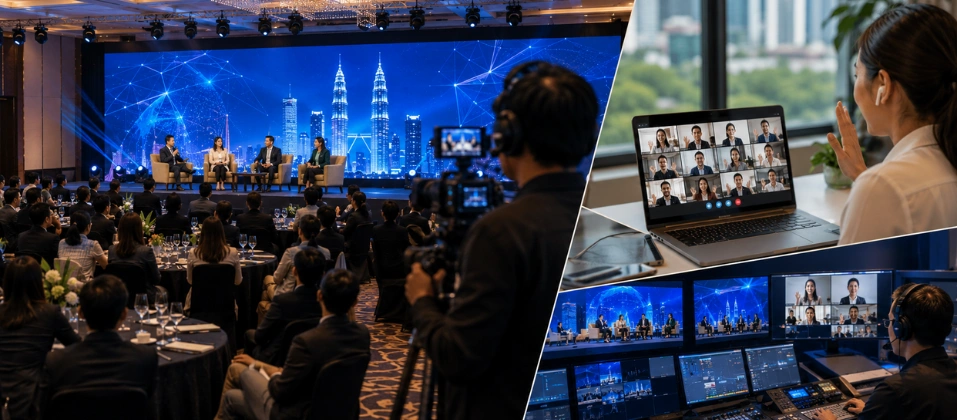
A hybrid event combines a physical venue experience with a live virtual component, allowing both in-person and online audiences to participate in the same event simultaneously. Organising a hybrid event that genuinely engages both groups requires careful programme design, the right technology stack, and a deliberate strategy for keeping remote attendees connected and active throughout. This guide walks through the essential steps, tools, and best practices for planning a hybrid event that works for everyone in the room and everyone watching from outside it. Introduction Hybrid events have grown from a temporary solution into a format that many organisations now plan by choice. They give businesses the ability to reach audiences that geography, budget, or schedule constraints would otherwise prevent from attending, while still delivering the value of a live, in-person experience for those who can be there. But hybrid events are not simply a live stream running beside a physical gathering. When treated that way, the online audience quickly feels like an afterthought. Truly effective hybrid events are designed from the start to serve two audiences at the same time. Any experienced Event Management Company in Kuala Lumpur will tell you that hybrid planning is a distinct discipline. It requires separate but integrated strategies for each audience group, and a production setup that supports both simultaneously. This guide covers everything you need to know to get it right. What Is a Hybrid Event? A hybrid event is any gathering that combines a physical in-person experience at a venue with a live virtual component allowing remote participants to attend online in real time. The format can be applied across a wide range of event types, from corporate conferences and product launches to training sessions, award ceremonies, exhibitions, and town halls. What defines a hybrid event is not the technology used, but the deliberate design of a shared experience for two different types of attendance. Factor DIY Planning Professional Event Planner Corporate Conference Keynotes, breakout sessions, networking Livestream, virtual Q&A, online polls Product Launch Live demos, media engagement, brand activations Global livestream, interactive digital showcase Trade Exhibition Physical booths, product demos, networking Virtual booths, online meeting scheduling Training and Workshop Hands-on sessions, small group activities Live video participation, digital breakout rooms Award Ceremony Physical presentations, gala experience Livestream voting, real-time celebration online Annual General Meeting Shareholder engagement, live voting Remote participation, digital proxy voting Town Hall Leadership communication, live discussion Remote staff participation, live Q&A Why Hybrid Events Are Worth the Effort Before diving into the how, it helps to understand what hybrid events offer that pure in-person or virtual events cannot. Key advantages include: Wider audience reach. Participants who cannot travel or attend physically can still join and contribute in real time. Flexible attendance options. Attendees choose how they want to participate, which increases overall registration numbers. Increased sponsorship value. A larger total audience is more attractive to sponsors and partners. Content longevity. Hybrid events are recorded by nature, giving you content to repurpose and redistribute after the event. Cost efficiency. Online participants do not require catering, venue space, or travel logistics, reducing the per-head cost significantly. Pro Tip: Track attendance split (in-person vs online) across your events over time. This data helps you justify the hybrid model to stakeholders and refine your production investment with each event. The Unique Challenges You Need to Plan Around Understanding the challenges upfront helps you design around them rather than react to them on the day. The biggest challenge in hybrid events is engagement imbalance. In-person attendees have the energy of a physical room, direct speaker interaction, and the social benefit of being present. Remote attendees can feel passive or disconnected if their participation is not actively designed into the programme. Other common challenges include: Technology failures such as stream drops, audio lag, or screen-sharing issues Time zone differences when remote audiences span multiple countries Unequal networking opportunities for virtual participants Content that is not formatted for both screen and in-room consumption simultaneously On-day team coordination between the physical event crew and the virtual broadcast team Pro Tip: Run a full hybrid simulation at least one week before the event. Invite two or three remote team members to attend as virtual participants and report honestly on what the online experience feels like from their side. Step-by-Step Guide to Organising a Hybrid Event Step 1: Define Your Audience Split and Objectives Early Before any planning begins, clarify the expected breakdown between in-person and online attendees. This single decision drives your venue size, technology budget, platform selection, and programme design. Also define what success looks like for each audience group separately. In-person attendees may prioritise networking and live interaction. Online attendees may value content access, flexibility, and the ability to participate from anywhere. Both groups deserve a clearly defined value proposition. Questions to answer at this stage: What percentage of your audience is expected to attend online? Are online attendees in different time zones? What level of interaction do you want online participants to have? Will online attendees need access to the same content as in-person guests? Pro Tip: Survey your audience before confirming the format. Knowing how people plan to attend helps you allocate budget accurately and avoid over- or under-investing in either the physical or virtual experience. Step 2: Choose the Right Venue and Technology Setup The venue for a hybrid event needs to support two productions running simultaneously: the physical event and the virtual broadcast. This means prioritising venues with strong and reliable Wi-Fi infrastructure, good acoustic control, appropriate camera positions, and sufficient technical capacity. Key technology components to plan for: Professional live streaming equipment and a dedicated broadcast streaming platform Multiple camera angles to give remote viewers a compelling and varied visual experience High-quality audio capture that works clearly for both in-room and online participants Interactive tools including live polling software, Q&A platforms, and virtual chat features Reliable primary internet with a backup connection to protect against outages Event registration and access management software that handles both audience types For… Continue reading How to Organise a Hybrid Event That Engages Both Online and In-Person Audiences
10 Reasons to Hire a Professional Event Planner for Your Next Event

Hiring a professional event planner removes the complexity, risk, and stress from the event planning process. From budget control and vendor coordination to creative direction and contingency planning, a professional brings structured expertise that lifts the quality and outcome of your event. This article covers ten compelling reasons why working with a professional event planner is a smart business decision, whether you are organising a corporate conference, product launch, gala dinner, or brand activation. Introduction Planning an event sounds manageable until you are actually doing it. Venues need to be secured, vendors coordinated, budgets tracked, timelines managed, and guest experiences designed, all while trying to keep everything on brief and on budget.For most businesses, this is not their area of expertise. And the cost of getting it wrong, whether through overspending, poor execution, or a guest experience that falls flat, is almost always higher than the cost of getting professional help from the start. A skilled Corporate Event Planner in Kuala Lumpur brings the experience, connections, and discipline to turn your event vision into a well-executed reality. They protect your budget, save your team’s time, and ensure your event reflects your brand at its best. Here are ten solid reasons why hiring a professional event planner is one of the smartest investments you can make for your next event. Reason 1: Deep Industry Knowledge You Cannot Replicate Quickly Professional event planners spend years building their understanding of the industry. They know which venues suit which event formats, which suppliers deliver consistently, and which approaches work best for different audiences. This knowledge shortens every decision. Instead of spending weeks researching options, a planner already knows the right answers for your budget and brief. That accumulated experience is not something you can acquire in the weeks before an event. Pro Tip: Ask your planner for case studies or portfolio examples that closely match your event type. Past experience in similar events is one of the strongest predictors of future performance. Reason 2: Access to a Trusted Supplier Network A professional planner’s supplier network is one of their most valuable assets. Over years of working in the industry, they build relationships with reliable vendors across catering, AV, décor, logistics, photography, staging, and more. These relationships translate into better pricing, priority booking, and a higher level of accountability. When a supplier knows a repeat-business relationship is at stake, they tend to deliver their best work. Individual clients rarely receive that level of commitment. Pro Tip: Ask your planner which suppliers they have long-standing relationships with. Established partnerships usually mean stronger reliability and better negotiated rates for you. Reason 3: Effective Budget Management and Cost Control Budget overruns are one of the most common problems in self-planned events. Without industry experience, it is easy to underestimate costs, overlook hidden fees, or spend too much in the wrong areas. A professional planner allocates your budget strategically. They know where to invest for maximum impact and where cost-effective alternatives exist. They also track expenses throughout the process so there are no surprises at the end. Pro Tip: Always request a detailed cost breakdown at the briefing stage. Transparency at the start prevents difficult conversations later. Reason 4: Significant Time Savings for Your Team Event planning is time-intensive. Venue sourcing, supplier briefings, contract reviews, logistics coordination, and on-day management can consume hundreds of hours across a planning cycle. For most internal teams, that time simply does not exist alongside regular responsibilities. When you hire a professional planner, your team reclaims their schedule. The planner manages the operational details so your people can focus on what matters most: your business, your stakeholders, and the content of the event itself. Pro Tip: Calculate the number of hours your internal team would need to plan the event without support. In most cases, the opportunity cost of pulling staff from core work exceeds the fee for professional planning. Reason 5: Creative Concept and Programme Development A good event planner brings more than logistics management. They help shape the concept, develop the theme, and design the guest experience from start to finish. Every touchpoint of the event, from registration to closing, is considered as part of a cohesive narrative. This creative contribution is especially valuable for brand-facing events such as product launches, activations, and conferences where the experience itself communicates something meaningful about your organisation. Pro Tip: Share your brand guidelines, target audience profiles, and feedback from previous events with your planner as early as possible. The more context they have, the sharper and more targeted their creative approach will be. Reason 6: Seamless Vendor Coordination Managing multiple vendors simultaneously is one of the most demanding aspects of event planning. A miscommunication between the catering team and the venue, or a delay in AV setup, can cascade into a chain of problems on the day itself. Professional planners act as the single point of coordination for all suppliers. They brief vendors, confirm timelines, track deliverables, and follow up regularly in the lead-up to the event. When everyone is aligned to the same plan, the event runs with precision. Pro Tip: Ensure your planner shares a consolidated run-of-show document with all vendors at least one week before the event. A shared reference eliminates confusion and keeps every team on the same page. Reason 7: Proactive Risk Management and Contingency Planning No event follows the plan exactly. A last-minute speaker cancellation, a technical fault, a supply delay, or an unexpected weather change can all derail an event that has no contingency in place. Professional planners anticipate these risks and prepare for them before they happen. They build backup plans into the event structure, maintain a shortlist of standby suppliers, carry contingency budgets, and know exactly how to respond when something changes on the day. Pro Tip: Before the event, ask your planner to walk you through the five most likely risks and their contingency plans. A planner who has thought this through carefully is a planner you can trust. Reason 8: Professional Technical and… Continue reading 10 Reasons to Hire a Professional Event Planner for Your Next Event
DIY vs Professional Event Planner: Which Option Is Right for You?
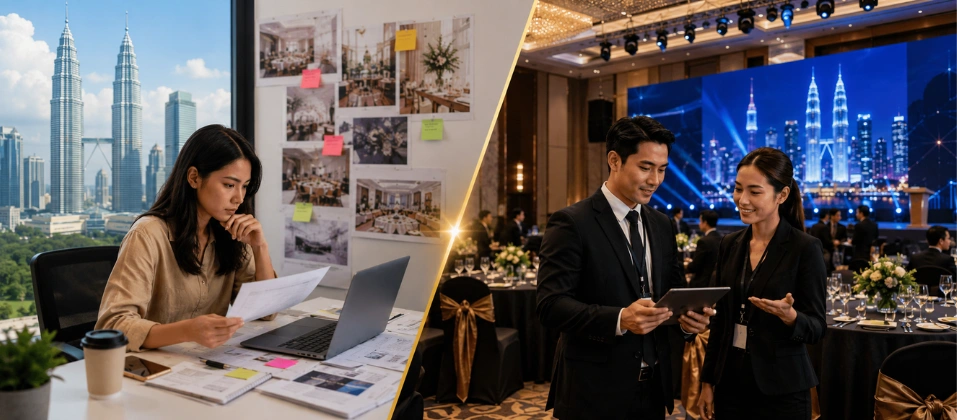
Choosing between planning your event independently or hiring a professional comes down to an honest assessment of your budget, event complexity, internal capacity, available lead time, and the outcomes you need to achieve. Both approaches have real strengths and real limitations. This guide breaks down both options clearly, highlights the hidden costs most organisations miss when going DIY, and helps you make a well-informed decision based on your specific situation rather than assumptions. Introduction Every event planning process starts with the same question: do we handle this ourselves or bring in professional support? It is a fair question, and the honest answer depends on more factors than most people initially consider. DIY planning appears to offer cost savings and direct control. Professional planning appears to offer quality and convenience. But both options are more nuanced than the surface impression suggests. Businesses exploring Event Planning Services in KL are often at exactly this crossroads. They have a clear event goal, a working budget, and a genuine desire to make the right call before committing in either direction. This article breaks down both approaches honestly. It covers the real advantages, genuine limitations, and hidden costs that most people do not discover until they are already deep into the planning process. What Does DIY Event Planning Actually Involve? DIY event planning means taking full internal responsibility for every aspect of the event. This is a broader scope than most people anticipate at the outset. It includes: Researching, shortlisting, and visiting potential venues Contacting, negotiating with, and managing multiple vendors Designing the event programme and creating a detailed run-of-show Coordinating logistics including transport, setup, and catering Managing guest registration, invitations, and communications Overseeing technical and production requirements Handling all on-day coordination, including troubleshooting Conducting post-event follow-up, feedback collection, and evaluation For a small, straightforward internal gathering, this is manageable. For events involving multiple vendors, significant audiences, brand-critical content, or tight timelines, the scope becomes difficult to sustain alongside regular work responsibilities. What Does a Professional Event Planner Actually Bring? A professional event planner or agency manages the full event lifecycle on your behalf. Beyond execution, they bring: A structured planning methodology built from years of hands-on experience An established network of reliable, pre-vetted suppliers with negotiated rates Creative direction and concept development aligned to your brand and objectives Budget management, cost negotiation, and transparent financial tracking Risk identification and contingency planning built in from the start Full on-day coordination across all teams, suppliers, and stakeholders Post-event evaluation, structured reporting, and a debrief with actionable insights The key distinction is not just capability but dedicated capacity. A professional planner’s entire focus is your event. For an internal team, event planning is usually one responsibility among many others competing for the same limited time. DIY vs Professional Event Planner: Detailed Comparison Factor DIY Planning Professional Event Planner Upfront cost Lower Higher Hidden and total costs Often significantly underestimated Managed and controlled throughout Staff time required Very high (often 80 to 150+ hours) Minimal for your team Vendor network access Limited to personal contacts Extensive with pre-negotiated rates Budget accuracy Frequently underestimated Structured and tracked from briefing Creative direction Dependent on internal skills Professional and brand-aligned Risk management Reactive and often unprepared Proactive with contingency plans built in Technical production Self-coordinated Professionally scoped and managed Event quality ceiling Limited by internal experience Raised significantly On-day stress level High, especially close to the event Significantly reduced for your team Post-event evaluation Informal or absent Structured with reporting and recommendations When DIY Event Planning Can Work DIY planning is a reasonable choice in specific, well-defined circumstances. It can work effectively when: The event is small. Gatherings of fewer than 30 to 40 guests with a simple, clear format are generally manageable internally. The stakes are low. Internal team meetings, small departmental workshops, and informal networking sessions rarely require professional coordination. You have experienced internal resources. If a team member has genuine event management experience, smaller events may fall within their capability without external support. The budget is genuinely limited. For events where even a modest planning fee is not viable, DIY may be the only realistic option. Lead time is sufficient. DIY planning works best when you have at least three to four months available with no significant competing internal projects. Pro Tip: If you are going DIY, invest time upfront in building a detailed planning checklist and a realistic timeline with owner-assigned tasks. Most DIY events run into trouble not because of a lack of effort but because of a lack of structure and clear accountability. When Professional Event Planning Is the Smarter Choice There are situations where professional support is not a luxury but a practical necessity. These include: Events with a significant audience. Once attendance reaches 50 or more guests, the coordination complexity grows substantially and the margin for error shrinks. Brand-critical or client-facing events. Product launches, conferences, gala dinners, and client appreciation events reflect directly on your organisation. Poor execution carries real reputational risk. Complex logistics. Events involving multiple venues, hybrid audiences, international speakers, or significant technical production require specialist coordination that most internal teams cannot provide. Short lead times. When time is limited, a professional planner can move faster because they have existing supplier relationships and established processes that an internal team would need months to build. Limited internal bandwidth. When your team is already operating at full capacity, adding event planning responsibility often leads to compromises in both the event and their regular work. A skilled Event Organiser in Petaling Jaya or a professional agency brings the dedicated capacity and proven systems to handle events that would genuinely overwhelm an unprepared internal team. Pro Tip: If you are undecided, consider the cost of getting it wrong. For events with public visibility, client attendance, or media presence, the reputational damage from a poorly executed event almost always exceeds the cost of professional planning. The Hidden Costs of DIY Event Planning One of the most common reasons organisations choose DIY is to save money.… Continue reading DIY vs Professional Event Planner: Which Option Is Right for You?
How to Plan a Successful Product Launch Event in Malaysia
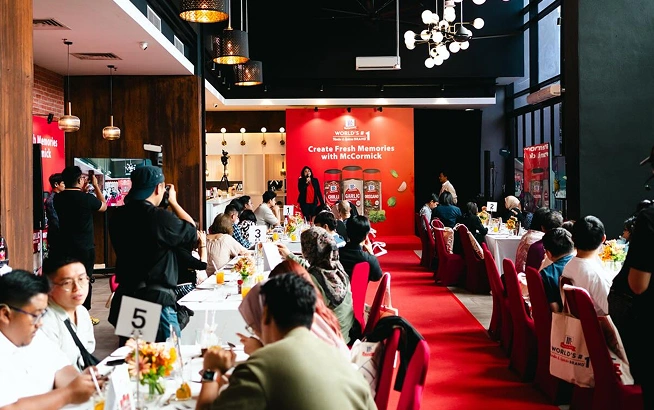
A product launch event is a major opportunity for any brand. It is your chance to introduce a new product to customers, media, and partners. A well-executed product launch creates strong media coverage, social media buzz, and real customer interest. SFK Worldwide has managed many product launch events across Malaysia and Southeast Asia over 10 years. This guide explains the key steps to run a successful launch. What You’ll Learn Jump to any section below Why It Matters Planning Guide Common Mistakes Why SFK Worldwide FAQs Why a Product Launch Event Matters A good product launch event creates excitement around your product. It gives journalists, influencers, and customers a first look. This generates media coverage and word-of-mouth. It also positions your product as premium. A professionally managed product launch in Malaysia shows that your brand takes quality seriously. Without a proper launch, your product may go unnoticed. With the right launch, it becomes a talking point in your industry. Step-by-Step Guide to Planning a Product Launch in Malaysia Step 1: Define Your Goals Before planning begins, set clear goals for your product launch event in Malaysia: Do you want media coverage? Are you targeting social media buzz? Do you want to generate direct sales leads? Is the goal more brand awareness in Malaysia? Your goals shape every decision in the planning process. Step 2: Choose the Right Venue in KL The venue sets the tone for your product launch event. Popular event venues in Kuala Lumpur include: Kuala Lumpur Convention Centre (KLCC) The Majestic Hotel KL Sunway Pyramid Convention Centre InterContinental Kuala Lumpur Hotel Istana KL Choose a venue that matches your brand image and your target audience size. Step 3: Plan Your Guest List Invite the right people to your product launch event in Malaysia: Journalists and media editors Key Opinion Leaders (KOLs) and influencers in Malaysia Industry partners and distributors Key retailers VIP customers and brand loyalists The right guests generate the right coverage and conversations for your brand. Step 4: Design the Event Experience Every element of your product launch should tell the story of your product. Work with an event management company in KL on: Stage and backdrop design Lighting and audio-visual (AV) setup Product display and demonstration area Photo and media backdrop Guest registration experience Step 5: Plan the Programme Content A strong product launch event in Malaysia includes: A welcome speech from your CEO or brand director A product demonstration or reveal A Q&A session for media A product teaser video A hands-on product experience area for guests Keep the programme short and focused. Aim for 60 to 90 minutes for a media launch. Step 6: Build a Social Media Strategy Plan your social media strategy before the event day. Set a dedicated event hashtag. Prepare content for your brand pages. Hire a photographer and videographer. During the event, encourage guests to post and share. Live social media coverage gives your product launch in Malaysia a much bigger online reach. Step 7: Follow Up After the Event After your product launch event in KL, do these steps: Send media kits and high-resolution photos to journalists Post event highlights on your brand social media pages Follow up with leads and contacts made at the event Compile a post-event report including media coverage and reach data The follow-up step is just as important as the event itself. Common Mistakes to Avoid Many product launch events in Malaysia fail because of: Poor time management on the event day Bad AV or sound system setup Not having enough media attendance A confusing event setup or programme flow No post-event follow-up plan Working with an experienced event management company in Malaysia helps you avoid these problems. How SFK Worldwide Manages Product Launch Events in Malaysia SFK Worldwide has managed product launch events across Malaysia and Southeast Asia for 10 years. Our team handles every stage: Creative concept and direction Venue sourcing across KL, Selangor, Penang, and Johor Stage, set, and backdrop design AV and lighting production Event staffing Media management and follow-up Post-event reporting We have run product launches in Kuala Lumpur, Singapore, and Jakarta. We understand how to plan events that create the right impact for your brand. Contact SFK Worldwide to plan your next product launch event in Malaysia. FAQs Q1. What are the best venues for a product launch event in Kuala Lumpur? Some of the most popular product launch venues in Kuala Lumpur include the Kuala Lumpur Convention Centre (KLCC), The Majestic Hotel KL, InterContinental KL, and Sunway Pyramid Convention Centre. The right venue depends on your audience size and brand image. A professional event management company in KL can help you shortlist and book the best venue for your launch. Early booking is important as these venues fill up quickly. Q2. How much does a product launch event cost in Malaysia? The cost of a product launch event in Malaysia depends on the venue, guest count, AV requirements, and design needs. A basic product launch in KL for a small audience can start from RM15,000. A large media launch with high production value can cost RM50,000 and above. Contact an event management company in Malaysia for a detailed quotation based on your specific launch requirements. Q3. Do I need to invite KOLs and influencers to my product launch in Malaysia? Inviting KOLs and influencers in Malaysia to your product launch event is highly recommended. Malaysian consumers trust recommendations from local influencers on platforms like TikTok and Instagram. Having the right KOLs at your launch can significantly increase your brand awareness in Malaysia after the event. Work with your event management company in KL to identify the right influencers for your target audience. Q4. How far in advance should I plan a product launch event in KL? You should start planning your product launch event in Malaysia at least two to three months before the event date. Venues in Kuala Lumpur get booked early, especially during peak months like March, October, and November. If… Continue reading How to Plan a Successful Product Launch Event in Malaysia